 |
Naval Base Ventura County
Waterfowl Hunting Program
Page Last modified -
Sept 20, 2025 |
 |
This page updated for 2025-26 season.
There is important
information about changes to Blinds 16, 18, 39, and 70-73 listed below.
Please take note.
These blinds must be taken down or restored
to the "unused" condition after each use
Hunting Season begins in October each year.
NBVC Point Mugu is located within the Pacific Flyway and is comprised of
approximately 2300 acres of wetland habitat. Consequently, there is a great
variety and abundance of waterfowl species present during the fall and winter.
NBVC Point Mugu complies with the State of
California Department of Fish and Game waterfowl hunting regulations. The
season is typically from mid-October through the end of January.
-
NBVC Environmental Operational Procedure: Waterfowl Hunting outlines the
waterfowl hunting regulations aboard NBVC Point Mugu.
- The Waterfowl Hunting Annual
Information Notice outlines any changes or important information for the
upcoming waterfowl hunting season, as well as the authorized hunting dates
and times. Hunting is allowed only on Wednesdays (prior to 0700),
Saturdays, and Sundays.
- Hunting is authorized in designated areas only to minimize any potential
negative impact to protected
and endangered species found at NBVC. Hunters found in violation
of the Endangered Species Act or Migratory Bird Treaty Act are subject to
fine and/or imprisonment.
- For weekly blind assignments all eligible hunters must submit their
Request for Duck Blind
Assignment each Monday no later than 1100 if using the drop box or by 0700 if emailed.
- Blind locations are depicted here.
- Pre-season blind repairs are an opportunity for eligible hunters to earn
preferred hunting chits - see info at bottom of page
Any questions regarding the NBVC Waterfowl Hunting
Program should be directed to the NBVC Waterfowl Committee at 805-890-7245
during the mid-Oct to mid-Feb hunting season or to the Environmental Division at 805-989-3808
during the off season. You may also email us at the address listed near the bottom of this page
Hunter Eligibility Requirements
Personnel eligible to hunt waterfowl aboard NBVC Point Mugu include active
duty, reserve, and retired military personnel; current and retired DOD civil
service personnel; and NBVC contractor personnel with an NBVC photo ID badge. At
least one week in advance of their first hunt day, all personnel shall:
- Complete a Hunter and Shotgun Registration Form for all shotguns prior to bringing
them aboard NBVC Point Mugu, for hunting. Non-registered shotguns are not
allowed aboard NBVC Point Mugu. All hunting shotguns shall remain cased,
unloaded, and secured in the hunter's vehicle, and only removed for use in
hunting areas.
- Download the NBVC Waterfowl
Hunting Regulation Test and the Waterfowl ID test. - and fill in the Answer Sheet on the next line
- Submit the completed answer sheet to the
Waterfowl Committee by mail, email or drop off in either of the Waterfowl Drop boxes (inside building 632 or outside as depicted in the regulations).
- New hunters (not including guests) must appear in person in order
to complete a hunting area tour.
- Submit a copy of California hunting license with HIP and waterfowl
validation plus federal waterfowl
hunting stamp unless presented in person to a Waterfowl Committee member.
- Submit a signed DD2760
before a blind will be assigned.
- First time hunters must view the NBVC introductory waterfowl hunting
video at
http://www.youtube.com/watch?v=XfxaVgEUmLo&feature=youtu.be
Details about specific blinds which are different from most others
Blind 16:
- Has a split shooting day, so it must be identified as "16 AM" or "16 PM"
on blind request sheet
- Has bird spikes to prevent birds from roosting - these may be pivoted
down (outward) during shooting, but if so MUST be pivoted back up after each
use.
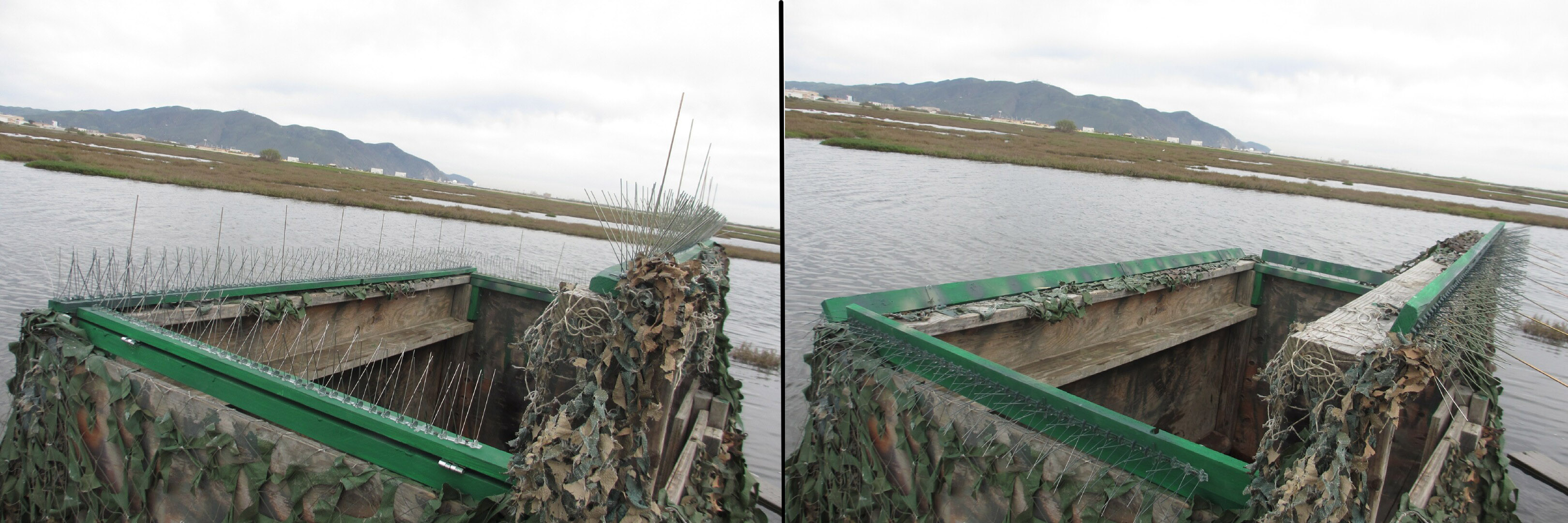
Blind 18:
- Reduced in height - bring own seating - may have to re-arrange camo net
Blind 39:
- Reduced in Height - should be able to use very low seat but bring your
own if you want normal height
- Front and back are hinged inward and laid flat - they must be pivoted up
- The "right" (North) side is detached and laid on ground. It serves as a stabilizer for the front
and back via large eye hooks when pivoted up
- The "Left" (South) side is hinged outward and serves both as entrance/exit and as a stabilizer for the front
and back via large eye hooks when pivoted up
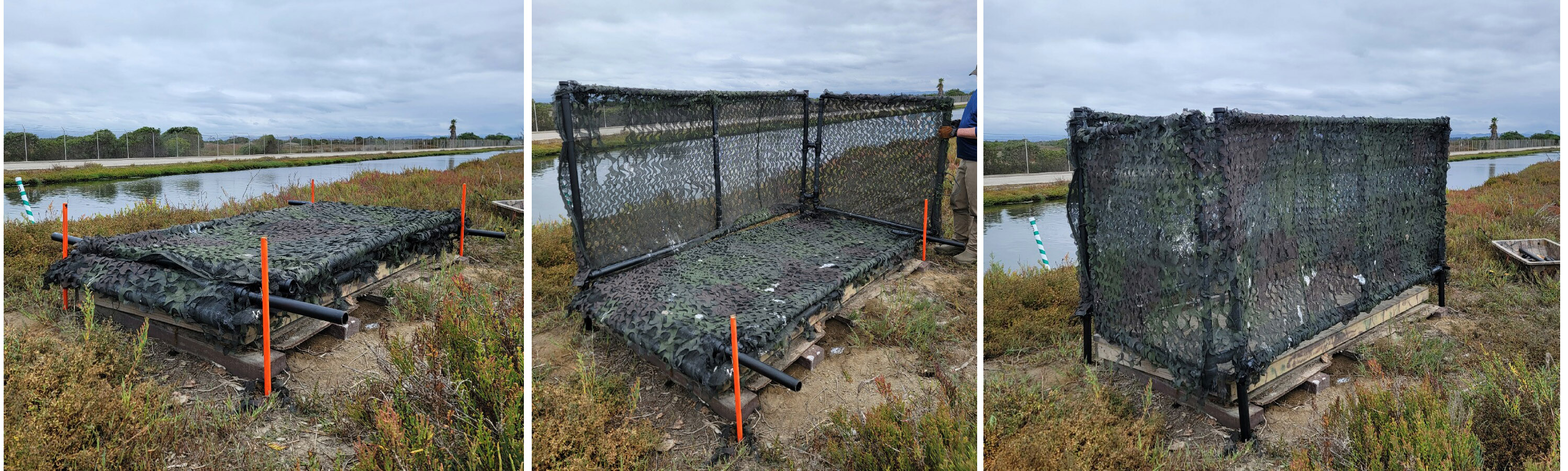
Blinds 70-73:
- PVC Frames with camo net attached need to be raised, tubes placed on orange posts and taken down after
each use
- Bring your own seat
Waterfowl and Other Bird Identification
Common Huntable Waterfowl at NBVC
|
Common Non-Huntable Water Birds at NBVC
|
Other Waterfowl Study Guides
Ducks
at a Distance – This is good information to provide duck/goose
identification training. It contains more than just what we test
for.
Here is Ducks at a Distance in PDF
format - if you desire offline study or to print & take into field.
Another excellent study guide is "The LeMaster Method" of waterfowl
identification - it is about $10 in a small durable field sized spiral bound
booklet. It has larger duck bill photos than "Ducks at a Distance" has.
Another good reference is located here: https://www.ducks.org/hunting/waterfowl-id/
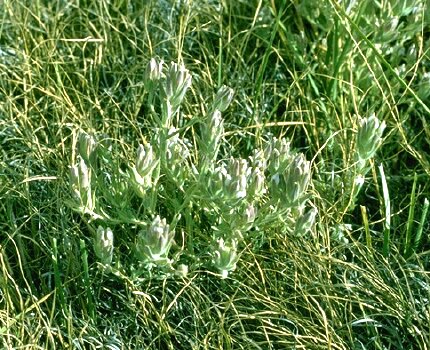
Salt Marsh Birds Beak - Endangered Plant to avoid:

NBVC Waterfowl Hunting Notice for Blind Repair:
All persons eligible to hunt waterfowl aboard NBVC Point Mugu ALONE are invited to
participate in the annual repair of hunting blinds. Personnel eligible to hunt
waterfowl ALONE include active duty, reserve, and retired military personnel; current
and retired DOD civil service personnel; and NBVC contractor personnel with an
NBVC photo ID (CAC) badge. Guest hunters will NOT be accepted as volunteers but may accompany and help a selected volunteer. Volunteers must have had at least one season hunting at Pt Mugu so that they are familiar with the regulations and the hunting area(s)
- You MAY NOT sign up someone else.
- Volunteers will be accepted ONLY during the month of of August
(not before).
- There are a limited number of blinds in need of repair; therefore,
volunteers will be taken on a "first come, first served" basis.
- Volunteers will be notified of their assignments in early September and
work must be completed by the end of the month unless given an extension
- Blind repairs may only take place on weekends (Saturday / Sunday)
- Volunteers earn six (6) blind request priority chits to be used during the hunting
season to increase their chances of getting a desired blind assignment.
- Submit your name and phone number(s) to the Waterfowl Committee at:

Questions: NBVC Environmental (805) 989-3808